
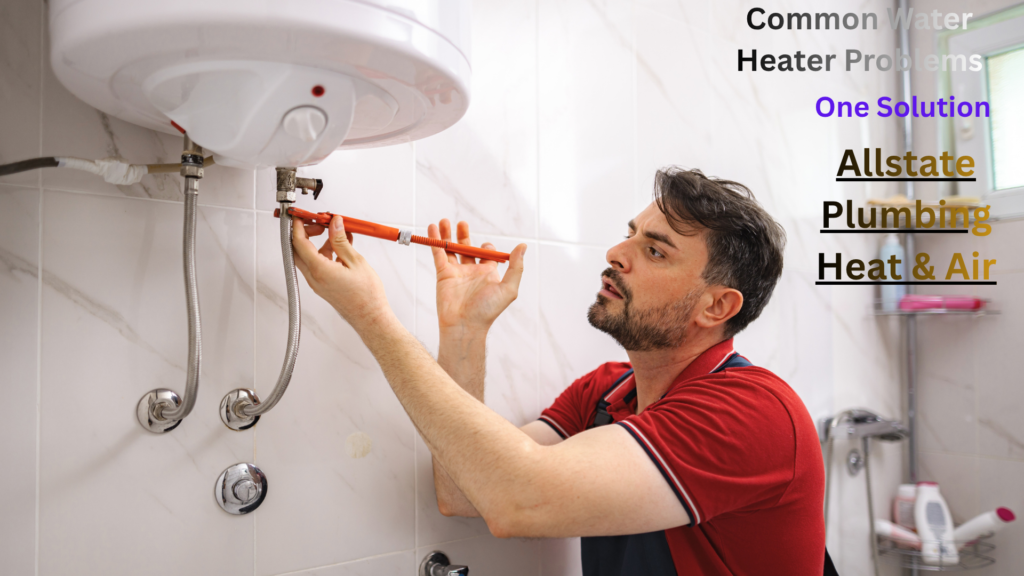
Imagine stepping into a shower after a long day on Lake Travis, only to be hit with a blast of cold water. It’s a frustrating reality for many homeowners in the Austin area, where hard water and fluctuating temperatures can take a toll on your water heater. These appliances work tirelessly to provide hot water for your daily needs, but when they falter, it disrupts everything from morning routines to family dinners. At Allstate Plumbing Heat & Air, we’ve serviced countless systems in Lake Travis homes and seen how common issues like sediment buildup and faulty thermostats lead to inefficiency and breakdowns. In this guide, we’ll break down the most frequent water heater problems and share straightforward quick fixes to get you back on track. Whether you’re dealing with no hot water or unusual noises, these insights will empower you to troubleshoot effectively while highlighting when professional help is essential. Our team in Austin understands the unique challenges of local water quality and climate, ensuring reliable solutions tailored to your home.
Understanding Common Water Heater Problems in Lake Travis Homes
Water heaters are essential for comfort in Lake Travis residences, but they face unique stresses from the region’s hard water, high mineral content, and temperature swings. These factors accelerate wear and tear, leading to problems that can spike energy bills or cause complete failure. Traditional tank-style heaters, common in Austin’s older homes, store 40-50 gallons of water heated by gas or electricity, while tankless models heat water on demand. Both types can develop issues, but recognizing symptoms early prevents costly repairs.
Here’s a breakdown of the most prevalent water heater problems we encounter:
-
No Hot Water or Insufficient Supply: This often stems from a tripped circuit breaker, faulty heating element, or sediment clogging the tank. In Lake Travis, mineral-rich water from the Colorado River exacerbates buildup, reducing efficiency by up to 20% over time.
-
Leaking Water Heater: Visible drips around the base or pipes indicate a corroded tank or loose connections. Hard water accelerates rust, and in humid Austin summers, condensation can mimic leaks—always check for actual moisture sources.
-
Strange Noises: Rumbling or popping sounds signal sediment heating and expanding, like rocks in a dryer. This is widespread in areas with high calcium levels, such as Barton Hills neighborhoods near Lake Travis.
-
Discolored or Smelly Water: Rusty hues point to internal corrosion, while a sulfur-like odor suggests bacteria growth in the anode rod. Local water treatment variations in Rollingwood can intensify these issues.
- Pilot Light or Ignition Problems (Gas Models): A faulty thermocouple or gas supply interruption causes the pilot to go out repeatedly, a safety concern in variable weather conditions.
In our experience at Allstate Plumbing Heat & Air, over 60% of service calls in Austin involve sediment-related failures, often overlooked during routine maintenance. Understanding these ‘what’ and ‘why’ helps homeowners act proactively. For instance, the anode rod sacrifices itself to prevent tank rust, but in hard water zones like South Congress, it depletes faster, leading to leaks within 5-7 years if not inspected.
Technical terms like ‘thermostat calibration’ simply mean adjusting the temperature control to 120°F for optimal performance—too high risks scalding, too low wastes energy. Gas heaters rely on a flue for exhaust, and blockages from debris common in windy Lake Travis areas can cause shutdowns. Electric models use dip tubes to direct cold water entry, but cracks lead to mixing and lukewarm output. By demystifying these, we empower you to spot issues before they escalate, saving time and money in the long run.
Quick Fixes and DIY Tips for Water Heater Maintenance in Austin
Tackling water heater problems yourself can restore functionality quickly, especially for minor issues in Lake Travis homes. However, always prioritize safety: turn off power or gas before starting, and wear protective gear. Austin’s hot summers and occasional freezes influence these fixes—extreme heat strains components, while winter dips demand insulation checks. Local building codes require permits for major alterations, so consult pros for compliance.
Start with basic diagnostics:
-
Check Power and Settings: For no hot water, reset the breaker or high-limit switch. Adjust the thermostat dial to 120°F and wait 30-60 minutes. In tankless systems, error codes on the display guide resets—common in energy-efficient tankless water heater repair.
-
Flush for Sediment and Noises: Drain the tank annually to remove buildup. Attach a hose to the valve, open it, and flush until clear. This DIY takes 20-30 minutes and boosts efficiency by 10-15%. Lake Travis’s mineral-heavy water makes this crucial; use a descaling solution if needed.
-
Address Leaks: Tighten fittings with a wrench, but if the tank weeps, it’s time for replacement. Apply pipe dope to threads for temporary seals. In humid areas like Manchaca, insulate pipes to prevent condensation leaks.
-
Fix Discolored Water: Flush the system or replace the anode rod— a magnesium or aluminum stick screwed into the top. This prevents further corrosion and is a 1-hour job with basic tools.
- Relight Pilot Light: For gas models, follow the door instructions: turn to ‘off,’ wait 5 minutes, then ignite while holding the knob. If it won’t stay lit, the thermocouple may need cleaning.
Local factors play a big role—Austin’s clay soils cause settling that stresses pipes, leading to leaks, while high chlorine levels in municipal water can degrade seals faster. For bathroom-integrated systems, consider upgrades like a heated towel rack installation to enhance efficiency.
Pro Tip: In Lake Travis homes with well water, test pH levels annually—an insider secret from our team. Acidic water (below 7) erodes tanks quickly; neutralize with a softener to extend life by 5+ years and avoid scalding risks during hot Texas summers.
These steps handle 70% of issues, but if problems persist, professional intervention ensures safety and longevity.
Common Mistakes to Avoid with Water Heater Repairs
Homeowners in Lake Travis often rush into fixes without proper knowledge, leading to bigger headaches. One frequent error is ignoring maintenance schedules—skipping annual flushes allows sediment to accumulate, reducing lifespan from 10-15 years to under 8, and hiking energy costs by 30%. In Austin’s hard water environment, this mistake turns a $500 repair into a $3,000 replacement.
Another pitfall: DIY overreach on gas systems. Attempting thermocouple swaps without tools or certification risks gas leaks, which could cause explosions— a severe safety hazard, especially in densely packed areas like Zilker. Financially, improper venting clogs lead to carbon monoxide buildup, necessitating emergency evacuations and fines for code violations.
Overlooking insulation is common too; exposed tanks in unconditioned garages lose heat rapidly during Austin winters, wasting 20-30% more energy. Installing without it spikes bills unnecessarily. Also, setting temperatures above 140°F to ‘speed up’ heating invites bacterial growth like Legionella, posing health risks to families.
Finally, delaying professional help for leaks—patching instead of assessing causes water damage to floors and walls, costing thousands in mold remediation. In flood-prone Lake Travis spots, this amplifies structural risks. Avoiding these errors preserves your investment and safety; when in doubt, consult experts to sidestep pitfalls.
Wrapping Up: Stay Hot and Hassle-Free in Your Lake Travis Home
Water heater woes like leaks, noises, and cold water don’t have to disrupt your Lake Travis lifestyle. By understanding common problems, applying quick fixes like flushing and thermostat tweaks, and steering clear of DIY pitfalls, you can maintain reliable hot water efficiently. Remember, local factors such as hard water and weather extremes in Austin demand proactive care to prevent escalation.
For those preferring hands-off solutions, Allstate Plumbing Heat & Air is your trusted partner. With years of experience serving the area, from Barton Hills to Rollingwood, our certified technicians handle everything from diagnostics to full installations, including shower installation for enhanced bathroom comfort. Visit our homepage or learn more on our about us page to see why we’re the go-to for Austin plumbing needs.
Need help with common water heater problems and quick fixes for Lake Travis homes in Austin? Call Allstate Plumbing Heat & Air today at (737) 313-2650.
Leave a Reply